


It’s a common problem: you set the thermostat, but your home feels like it has multiple climate zones. The living room is perfect, but the upstairs bedroom is an oven. The kitchen is cozy, but your home office feels like an icebox. If you’re constantly battling thermostat wars because one room is hotter than the rest of the house, you’re not alone.
Many Oregon homeowners experience this, especially in older homes or houses with unique layouts. This uneven heating and cooling may also signal underlying issues with your HVAC system’s efficiency.
Common Causes of Uneven Temperatures in Oregon Homes
Several factors, both big and small, can disrupt the flow of conditioned air. Here are some of the potential culprits affecting the temperature in your Salem or Eugene home.
Ductwork Issues: The Hidden Highway for Your Air
Your ductwork is your home’s circulatory system, carrying heated or cooled air from the HVAC unit to every room. When this system is compromised, it’s a common reason for temperature imbalances. Leaks, cracks, or disconnected ducts allow conditioned air to escape before reaching its destination. This can leave rooms at the end of the duct line warmer or cooler.
Additionally, poorly designed or improperly sized ductwork can create problems. Ducts that are too small can’t deliver enough air volume, while crushed or blocked ducts create bottlenecks that choke off airflow entirely, leading to uneven heating.
Poor Insulation and Air Leaks
Insulation acts as a thermal barrier, keeping the heat out during Oregon’s warm summers and trapping it inside during our chilly winters. If a room has inadequate or degraded insulation in the walls or attic, it will be much more susceptible to outside temperatures. This is common in older homes that weren’t built with modern energy standards in mind.
Air leaks around windows, doors, and electrical outlets can also contribute to the problem. These drafts allow conditioned air to seep out and outdoor air to creep in, making it difficult for the HVAC system to maintain a consistent temperature in that area.
Sun Exposure and Window Placement
The amount of direct sunlight a room receives plays a huge role in its temperature. Rooms with large, south- or west-facing windows can experience significant solar gain, making them much hotter, especially during the afternoon. Older, single-pane windows are particularly inefficient at blocking this heat transfer. Conversely, north-facing rooms with little direct sun may feel persistently cooler.
Blocked or Closed Vents and Registers
A vent or register blocked by furniture, rugs, or drapes can’t distribute air into the room effectively. It’s a good practice to walk through your home and check that all vents have clear space around them. Many people also believe that closing vents in unused rooms saves energy. However, this can actually be counterproductive, increasing pressure within your duct system and straining your HVAC equipment without improving airflow.
Incorrect Thermostat Location
Your thermostat can only read the temperature of its immediate surroundings. If it’s located in a spot that isn’t representative of the whole house, your comfort will suffer. A thermostat placed in direct sunlight, near a heat-producing appliance like a television or in a drafty hallway, will get false readings. It will shut the system off prematurely, long before rooms further away have reached the target temperature.
The Impact of Room Additions and Renovations
If your HVAC system wasn’t upgraded when you remodeled or renovated your home, that may be the problem. Home additions increase the square footage your system needs to heat and cool. If the original unit isn’t powerful enough or if ductwork wasn’t properly extended to the new space, the addition and other nearby rooms will likely struggle to stay comfortable.
An Aging or Improperly Sized HVAC System
As HVAC systems age, they can lose efficiency and power. An older furnace or air conditioner may no longer have the capacity to push air all the way to the furthest rooms in your home.
Also, a system that is too large for your house will run in short, powerful bursts. This “short-cycling” may satisfy the thermostat’s setting, but it won’t get your entire house to the desired temperature.
Airflow Imbalance
Even with a perfectly functioning HVAC unit and clean ducts, your home can have uneven temperatures if the airflow isn’t balanced. HVAC systems are designed with dampers inside the ductwork that can be adjusted to control how much air is directed to each room. If these aren’t set correctly, some rooms will get too much conditioned air while others get too little. Achieving proper HVAC airflow in your Salem, OR, home often requires professional adjustment.
How to Diagnose and Solve Room-Specific Comfort Problems
Once you have an idea of what might be causing the temperature discrepancies, you can take steps to resolve them. While some issues are simple to check, many require the expertise and tools of a trained HVAC technician to diagnose and repair correctly.
Start With Simple Homeowner Checks
Before calling a professional, there are a few things you can safely check on your own. These quick steps can sometimes solve the problem or at least give you more information to share with a technician.
- Open and clear vents and registers
- A clean HVAC air filter
- Blocked sunlight in hot rooms
- Timing of temperature differences
Professional HVAC Inspection and System Balancing
An HVAC technician can perform a comprehensive inspection to pinpoint the exact cause of your uneven cooling or heating. They use specialized tools to measure airflow from each vent, check for duct leaks, and assess the health of your furnace and AC. Regular system tune-ups can prevent these issues and are a key part of our maintenance plan.
The Importance of Ductwork Evaluation and Repair
Professionals can use tools like thermal cameras and duct pressurization tests to find hidden leaks. Sealing these leaks can dramatically improve airflow to problem rooms and boost your system’s overall efficiency, saving you money on energy bills.
Consider a Ductless Mini-Split Solution
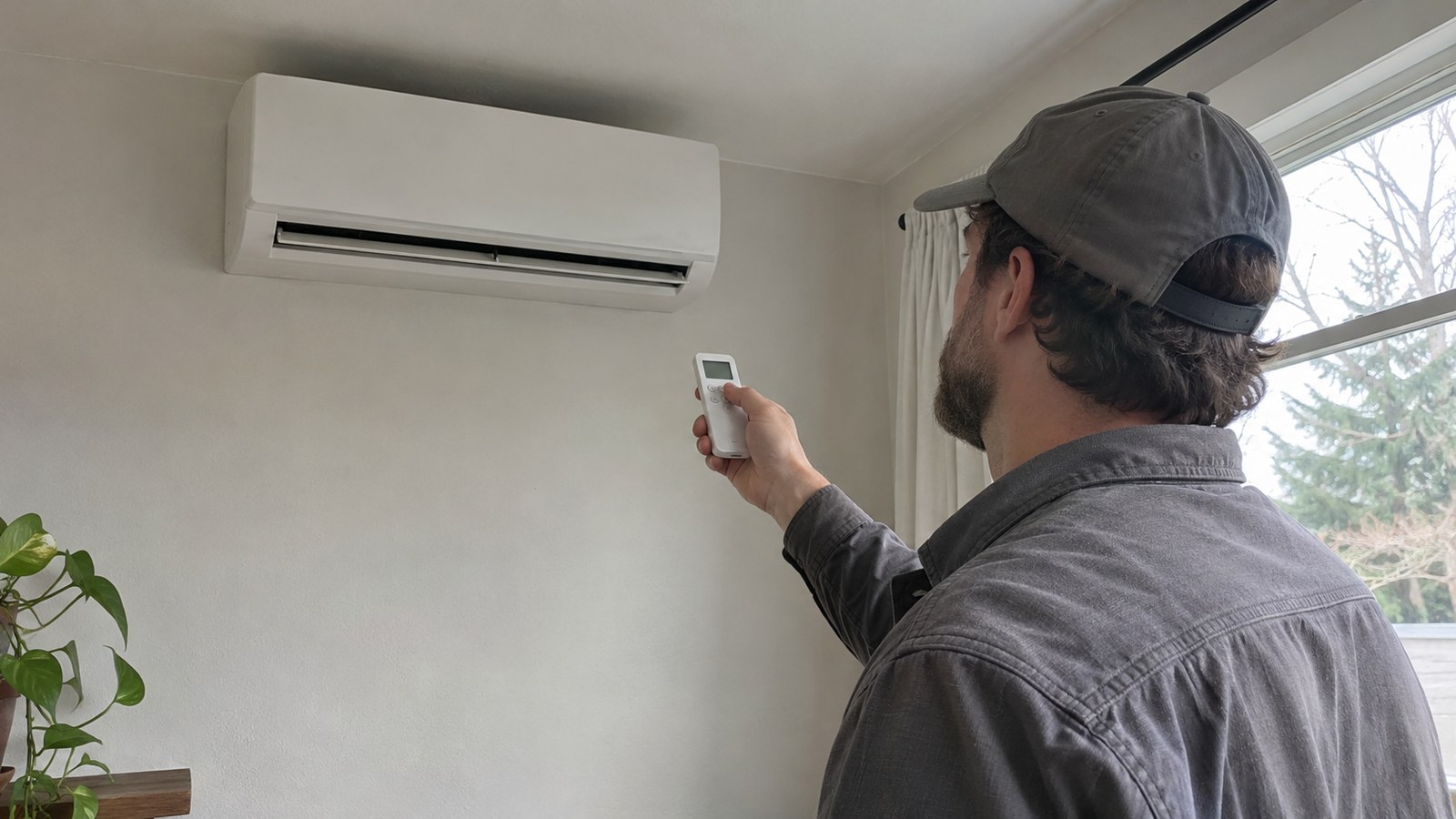
For some situations, such as a room addition, a converted garage, or a chronically uncomfortable room, a ductless mini-split system is an excellent solution. These systems provide dedicated heating and cooling to a specific area without needing to connect to existing ductwork. As a Mitsubishi Diamond Elite contractor, we specialize in these highly efficient systems that give you precise temperature control right where you need it most.
Your Partner for Balanced Home Comfort in Salem and Eugene
Living with one room that’s hotter or colder than the rest is incredibly frustrating. The cause can range from a simple blocked vent to a complex airflow imbalance, but a solution is almost always available. By investigating the potential causes and seeking professional help when needed, you can restore consistent comfort to every corner of your home.
Woodward Heating, Air & Plumbing has been helping homeowners in Salem, Eugene, and across Oregon achieve balanced indoor comfort since 1989. Our EPA-certified technicians have the experience to diagnose the root cause of your uneven temperatures and recommend the most effective solution, whether it’s a AC tune-up, ductwork repair, or a new furnace system installation.
For expert HVAC repair in Eugene, OR, and solutions for uneven heating in your home, contact Woodward Heating, Air & Plumbing today to schedule an inspection.