

If your furnace keeps turning on and off every few minutes while your home is still below the thermostat setting, it may be short cycling. Check the thermostat, the accessible air filter, and whether vents are blocked. If the furnace keeps cutting out after those checks, turn the heat off at the thermostat and arrange service. If you smell gas or a carbon monoxide alarm sounds, leave immediately instead of checking the equipment.
The most useful clue is what happens just before the heat stops. Did the thermostat reach the temperature you set? Did the vents ever blow warm air? The answers can help narrow down the problem before anyone takes the furnace apart.
Is the furnace short cycling or working normally?
A healthy furnace turns off when the thermostat is satisfied and starts again when the room cools. Some systems run shorter cycles on mild days or when only a small amount of heat is needed. The length of a single run isn’t enough to diagnose a problem.
Look for a pattern instead: several short runs in a row, followed by more starts, with the room never reaching the set temperature. Carrier’s short-cycling guide notes that unusually short runs, often under five to ten minutes, can be a clue. There’s no universal cutoff. A furnace that stops almost as soon as it starts is worth a call, even if you haven’t timed it.
Check whether the sound you hear is the blower alone. The fan can keep moving air after a heating cycle ends. If the thermostat fan is set to On, it can run between heating calls, too. Feeling air at a register doesn’t tell you whether the furnace is still producing heat.
3 things you can check without opening the furnace
- Read the thermostat. Confirm it’s in Heat mode and compare the room temperature with the set temperature when the furnace shuts off. Check for a scheduled temperature change or a low-battery alert. Sunlight on the thermostat, a draft, or a space heater nearby can make that spot warmer or cooler than the rest of the house. Don’t move the thermostat or touch its wiring yourself.
- Look at the filter if it’s accessible. A heavily loaded filter can restrict airflow enough for the furnace to overheat and stop heating. Follow the owner’s manual for checking or replacing a routine user-accessible filter. Use the size and filter type specified for your system. Don’t remove equipment panels or run the furnace without a filter to test it.
- Give the vents room to breathe. Look for rugs, furniture, or stored items covering supply registers or return grilles. Open any supply registers you’ve closed. Clearing a blocked return helps air get back to the furnace. If the airflow still feels weak throughout the house, leave the ductwork and blower checks to a technician.
If the furnace keeps stopping before it reaches the set temperature, request furnace repair. Shutting off a persistent short-cycling furnace is better than repeatedly restarting it. A restart can make it seem fine for a few minutes without fixing what caused it to shut down.
What the timing can tell you
It blows warm air, then shuts off while the room is still cold
Restricted airflow is one possibility. On a forced-air furnace, air needs to move through the equipment fast enough to carry heat away. If the furnace overheats, a safety control can interrupt heating. A dirty filter is one possible cause, but a clean filter doesn’t rule out a blower, duct, or other airflow problem.
It starts, but you never get much warm air
On a gas furnace, a problem with ignition or flame detection can interrupt heating before much warm air makes it to the rooms. A technician can observe the startup sequence and check the furnace’s diagnostic information. Timing alone doesn’t identify a faulty part. Don’t try to relight, clean, or adjust anything inside the furnace based on what you hear.
It reaches the set temperature quickly, but other rooms stay cold
The thermostat may be in a part of the house that warms faster than the rooms you’re trying to heat. A furnace that’s larger than the home needs can also warm the space near the thermostat quickly and end the call for heat before more distant rooms feel comfortable. Tell the technician which rooms stay cold and whether the pattern started after a thermostat or equipment change. Repeated starts don’t prove that the furnace is oversized or needs replacement.
What to tell your technician
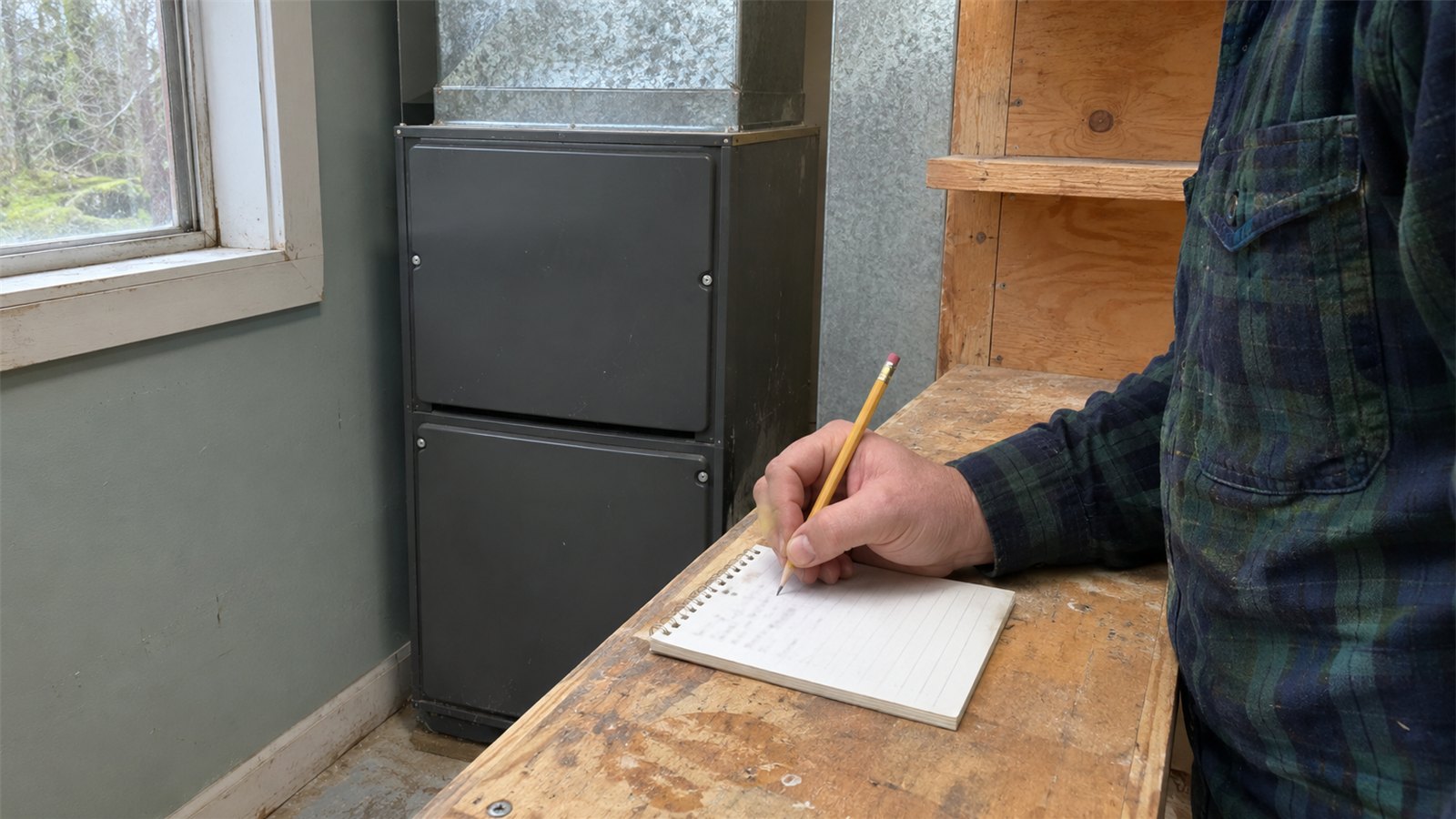
Write down when you first noticed it, how long each run seems to last, and whether the air at the registers ever gets warm. If the thermostat displays an error, note it or take a photo. Mention a recent filter change, a thermostat replacement, or any unusual sounds. There’s no need to run the furnace again just to gather more details.
Treat a gas smell or carbon monoxide alarm differently from a service call. The CDC advises leaving immediately if you smell gas and contacting emergency authorities from a safe location. For a carbon monoxide alarm, the U.S. Consumer Product Safety Commission advises moving outdoors to fresh air and calling emergency services. Don’t stay inside to investigate.
If your furnace is repeatedly cutting out in Salem or the surrounding Willamette Valley, ask Woodward Heating, Air & Plumbing to check the system. For a furnace that’s running normally but due for routine care, see the furnace maintenance options.